

Initial mindset
Our intuition often whispers solutions to us that we like to apply and that prove to be effective. This happens in various domains of our lives.
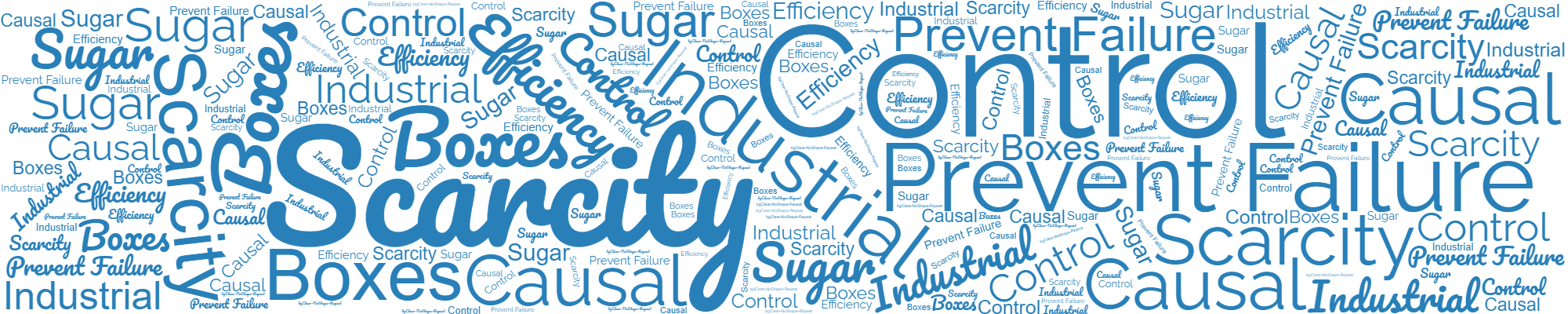
Described in this blue box, typically the left side of the productivity hill.
It is mainly about he efficiency of the nodes.
Industrial mindset 🏭
In this box left under, we compare with the industrial mindset, a way of thinking in control and efficiency that has brought much prosperity with the industrial revolution.

Why does Scrum, a seemingly straightforward yet potent framework, often prove challenging to implement? Despite its design to navigate complexity, Scrum is frequently perceived as too simplistic for intricate environments. How can we bridge this perception gap and align it with the framework’s intended design?
I’m Geert Evens. For already 14 years, scrum enabled a new world for me. It even encouraged me, a real technical engineer, to explore the world of psychology. Fascinating how insights from different fields are so interconnected. For me, agile is in the core the absence of complexity, As red line in this blog, I ‘ll highlight the importance of less complexity in relation to more efficiency and the role of intuition and experience. Using metaphors where possible. Enjoy!
Changed mindset
At some time , existing approaches prove counter-productive. We tend to resist change as much as possible, until our experiences compel us to seek alternative solutions. These solutions stand in stark contrast to those that were effective in the past.
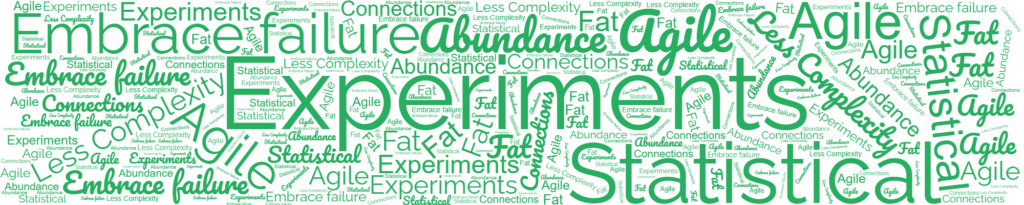
Described within this green box, typically the right ( complex ) side of the productivity hill. Complexity which is typically caused by the multiple connections.
Agile mindset 🧪
In this box at the bottom right, the comparison is made with the agile mindset in teams and companies, illustrating how this often less intuitive way of thinking towards experiments and feedback cycles can yield amazing productivity gains.